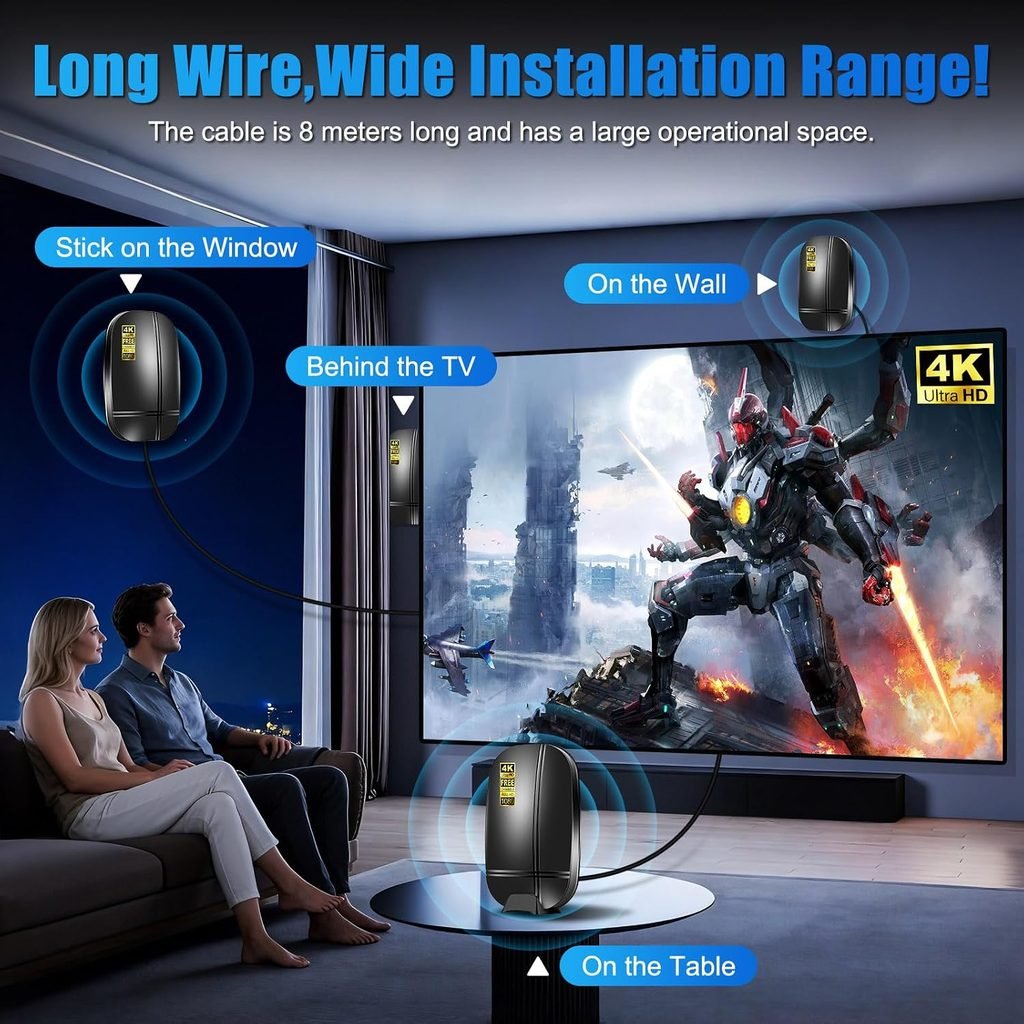
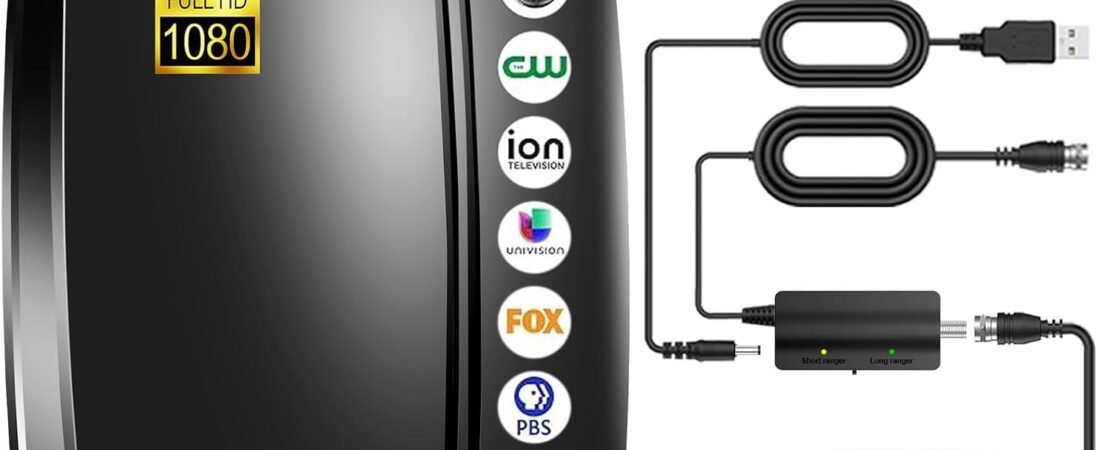

- Save on TV Bills: With this antenna for tv without cable, access a wide range of free tv antenna for local channels and …
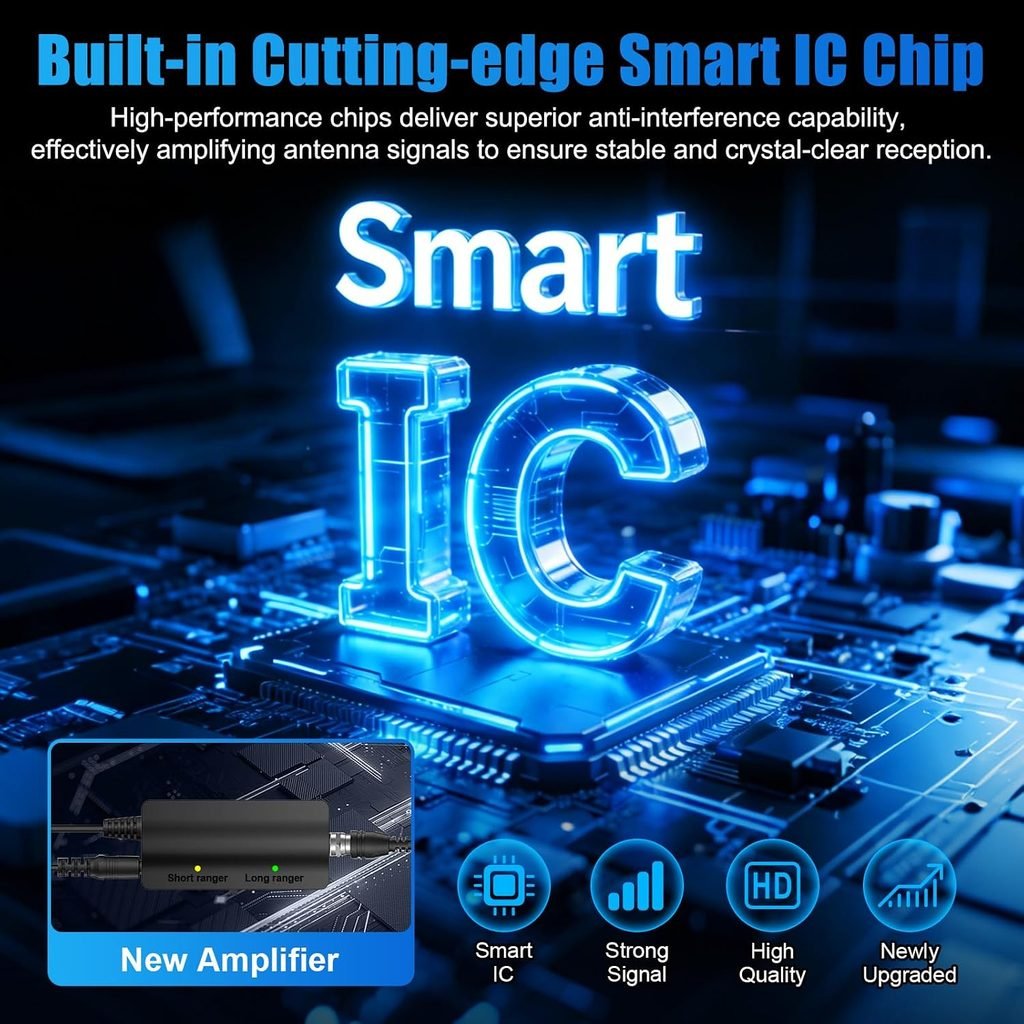
- Extreme 8K Picture & Stable Signal: This indoor TV antenna features an advanced IC chip and filtering tech for full VHF/…
- Compact Size with Long-Lasting Durability: This tv antenna for smart tv indoor features a stable support base for easy p…
Understanding Upgraded TV Antennas
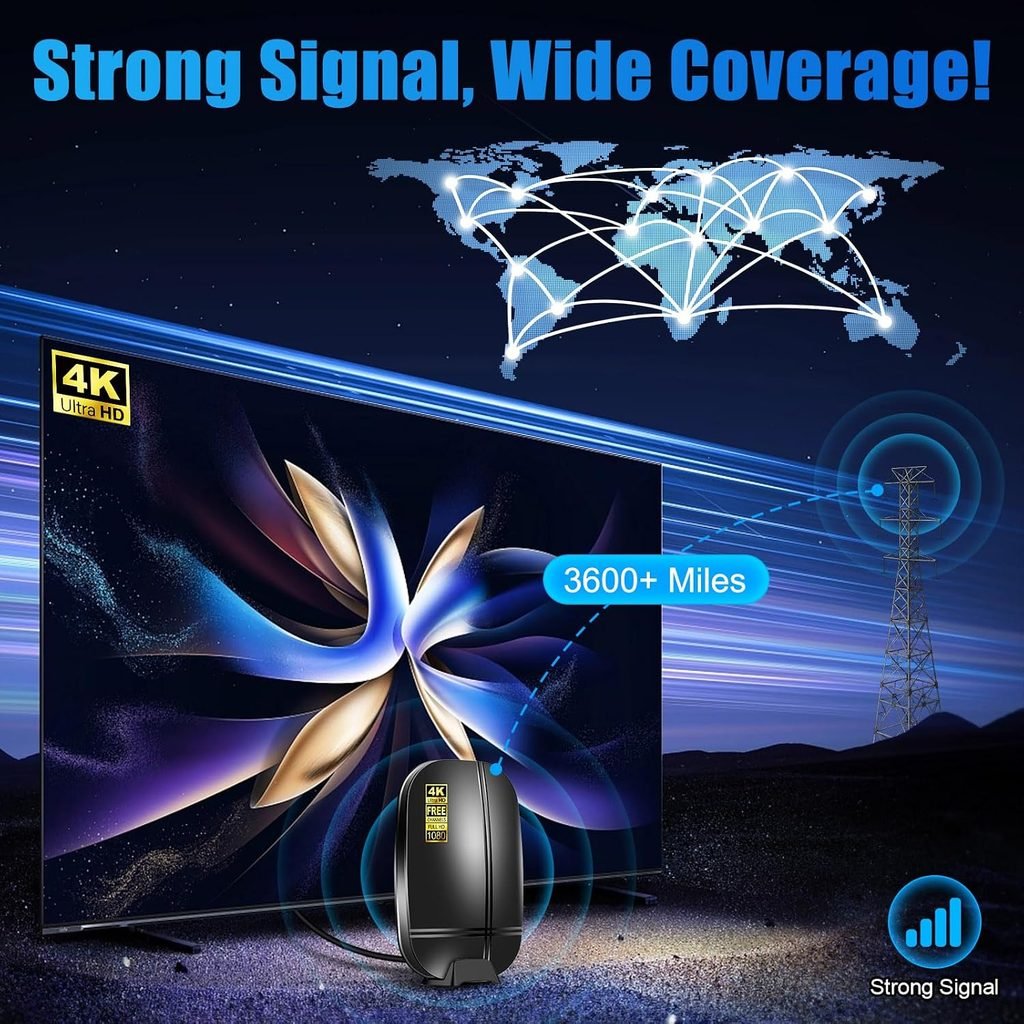
Upgraded TV antennas have transformed the way viewers receive broadcast signals, making it easier than ever to enjoy high-quality television programming. With advancements in technology, modern digital antennas are designed to deliver superior performance compared to their predecessors. A key feature of these upgraded antennas is their impressive long-range reception capabilities, with some models boasting a range of up to 3600 miles. This significant improvement allows users to access a wider array of channels, often in high definition, without relying on costly subscription services.
One of the primary advancements in upgraded TV antennas is the incorporation of innovative materials and designs. Unlike traditional antennas, which often struggled with signal clarity and interference, contemporary models utilize enhanced components that optimize signal capture. For instance, many upgraded antennas are equipped with advanced filters that mitigate the effects of interference from nearby electronic devices or structures, ensuring a clearer and more stable picture.
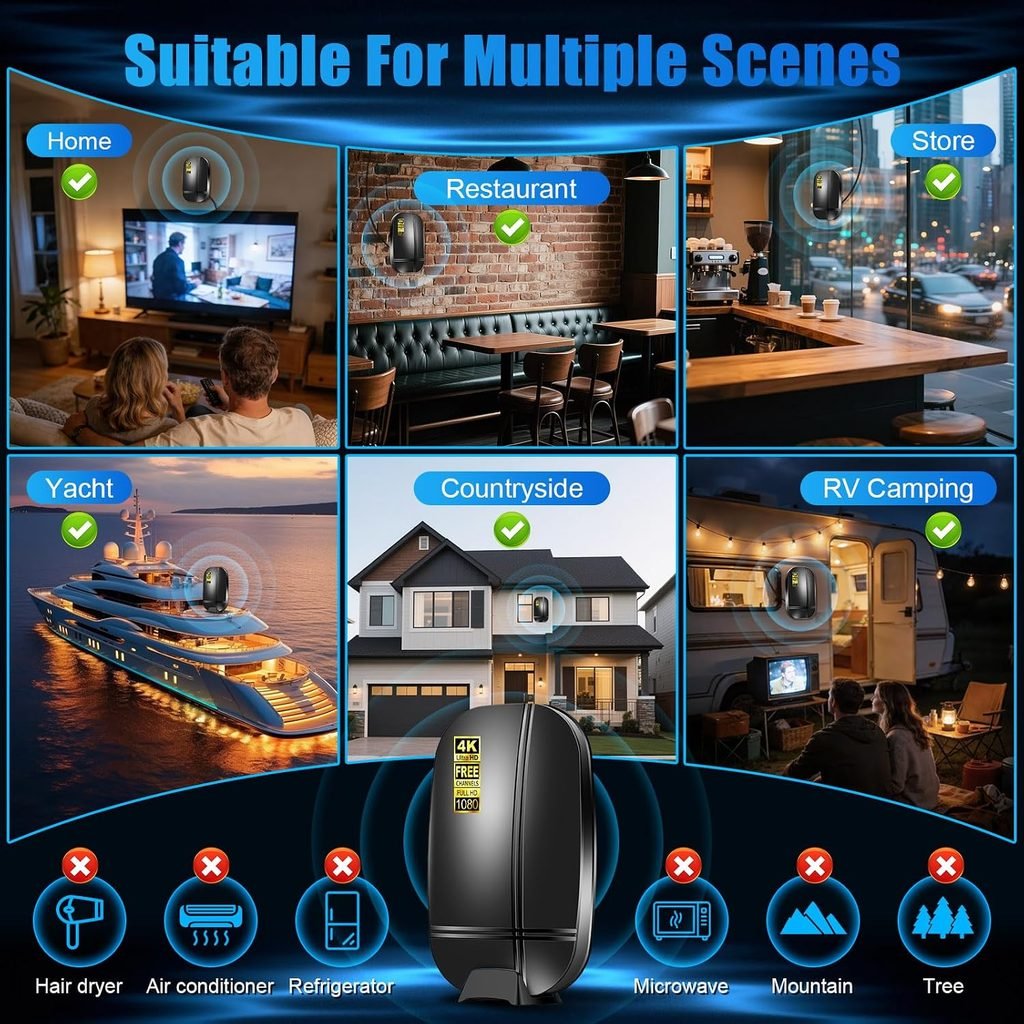
Another noteworthy aspect of modern antennas is their adaptability to various settings and viewing preferences. Whether placed indoors or outdoors, upgraded TV antennas can be designed for specific environments, allowing for better signal reception tailored to the user’s location. This versatility makes them suitable for users who may be located in urban areas, where signal disturbances could be more prominent, as well as in rural settings where distance from transmission towers poses a challenge. Additionally, many newer models are equipped with features that enable users to receive both UHF and VHF signals, broadening their channel selection and improving overall viewing experience.
Upgraded TV antennas thus cater to a diverse audience, including casual viewers and ardent enthusiasts looking to maximize their entertainment options without incurring high monthly fees. The combination of cutting-edge technology and thoughtful design positions these antennas as a viable solution for many households seeking reliable television reception.
Features of the Latest Digital Antennas
The evolution of digital antennas has introduced several essential features that significantly enhance television viewing experiences. Among the most noteworthy innovations is the amplified signal booster. This component is designed to strengthen the reception of over-the-air signals, enabling users to enjoy a clearer picture and better audio quality. By boosting weak signals, the amplified signal booster can greatly reduce pixelation and interruptions, ultimately delivering a more reliable viewing experience.
Another critical feature of modern digital antennas is their built-in base design. This design provides additional stability and ease of setup, allowing users to install the antenna more conveniently. The integrated base often allows for adjustable height or angle, which can be crucial for optimizing signal reception. When positioned correctly, a digital antenna can pick up signals from various directions, making it compatible with a range of broadcast formats.
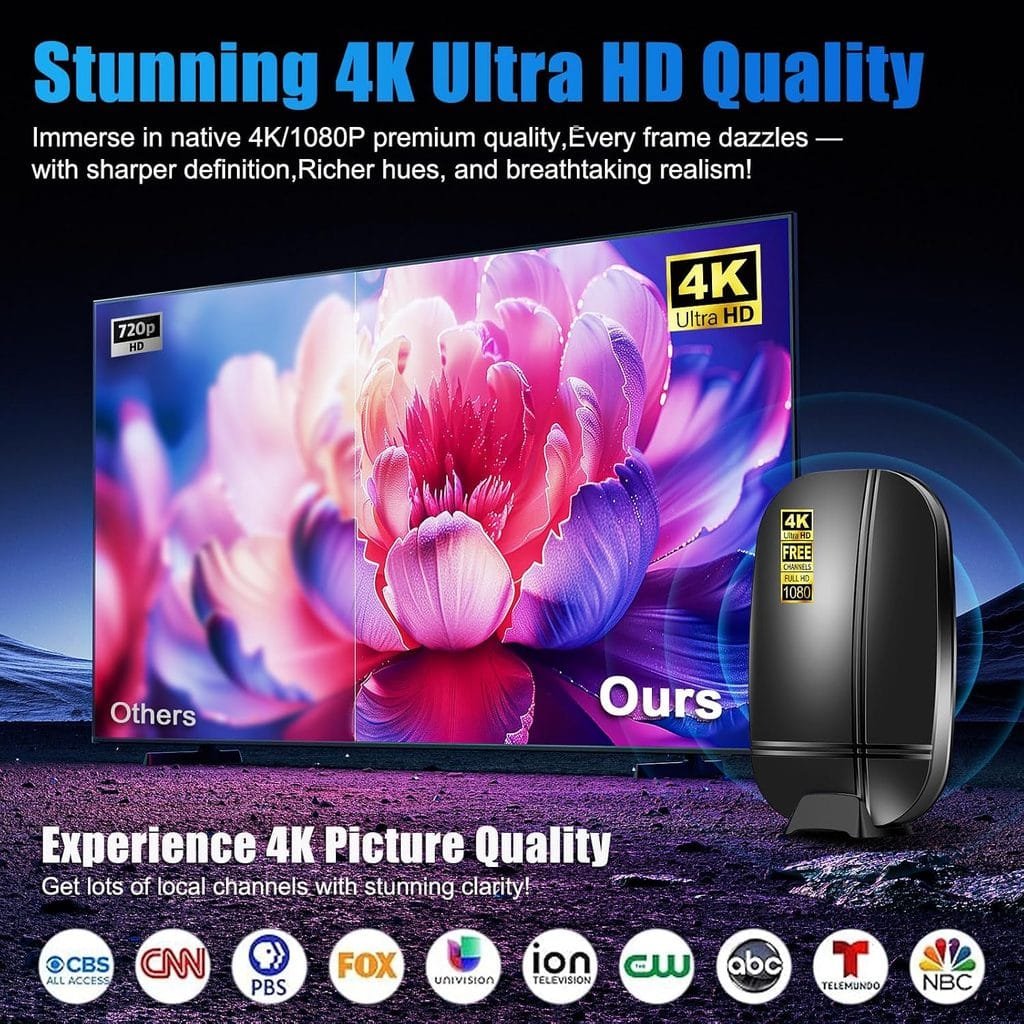
Compatibility with emerging television formats such as 8K, 4K, and 1080p HD is another significant benefit of the latest digital antennas. These antennas are engineered to handle higher resolutions and increased bandwidth effectively. Users can enjoy superior image quality and vivid details, as modern antennas are equipped to deliver the enhanced resolution that contemporary televisions demand. This ensures that viewers can take full advantage of their high-definition TVs and the content available in various formats.
Furthermore, many current models of digital antennas come with advanced technology, such as smart scanning, which simplifies the process of locating channels. Once set up, they can automatically identify available signals and organize channels, making it easier for users to find their favorite broadcasts with minimal hassle. Overall, these features collectively enhance the functionality and performance of digital antennas, making them a worthwhile investment for any television enthusiast.
Cost Benefits of Using a TV Antenna
In an age where entertainment options have diversified, many consumers find themselves reconsidering their television viewing choices, particularly with rising cable subscription costs. One of the most financially beneficial alternatives is the use of a TV antenna. By switching to a TV antenna, households can significantly cut down on their monthly expenses, eliminating cable bills that can often exceed $100 per month. In this section, we explore the economic advantages of utilizing a TV antenna for home entertainment.
The primary financial benefit of a TV antenna is the potential for substantial savings over time. Cable television subscriptions can accumulate hefty charges, while a one-time investment in a quality antenna often pays for itself within just a few months. Once the antenna is installed, viewers can access a plethora of free broadcast channels without incurring ongoing fees. This creates an opportunity for families to redirect their budgets towards other necessities or entertainment options.
Moreover, the variety of channels available through a TV antenna typically includes numerous local stations, which can offer a rich selection of programming. Many viewers are surprised to discover the breadth of accessible channels, including major networks such as ABC, CBS, NBC, and FOX. This expanded access allows for an enriched viewing experience without the constraints of cable packages that might not cater to specific preferences.
In addition to the immediate savings, optting for a TV antenna also promotes longer-term financial health. With no recurring costs associated with subscription services, households can enjoy a robust lineup of programming without the financial burden that often comes with cable services. The eventual savings can be allocated towards other entertainment avenues, creating a more sustainable approach to media consumption.
Ultimately, the transition to a TV antenna not only fosters substantial savings but also enhances the overall viewing experience by providing access to a wide range of local channels. As families consider their entertainment options, the financial implications of a TV antenna present a compelling case for making the switch.
Installation and Usage Tips for Optimal Performance
To maximize the performance of an upgraded TV antenna, proper installation is crucial. The first step involves selecting a suitable location. Ideally, the antenna should be placed in an elevated area, such as on the roof or a high wall, to minimize obstructions that can block signals. A clear line of sight to the broadcast towers is essential, so researching the direction of local towers using online resources can be very helpful.
When installing the antenna, consider the orientation. Many antennas are directional, meaning they can receive signals more effectively from one direction. Adjusting the angle towards the nearest broadcasting station can significantly enhance reception quality. For antennas that cover a wider area, ensure they are correctly installed to avoid interference from nearby buildings or foliage.
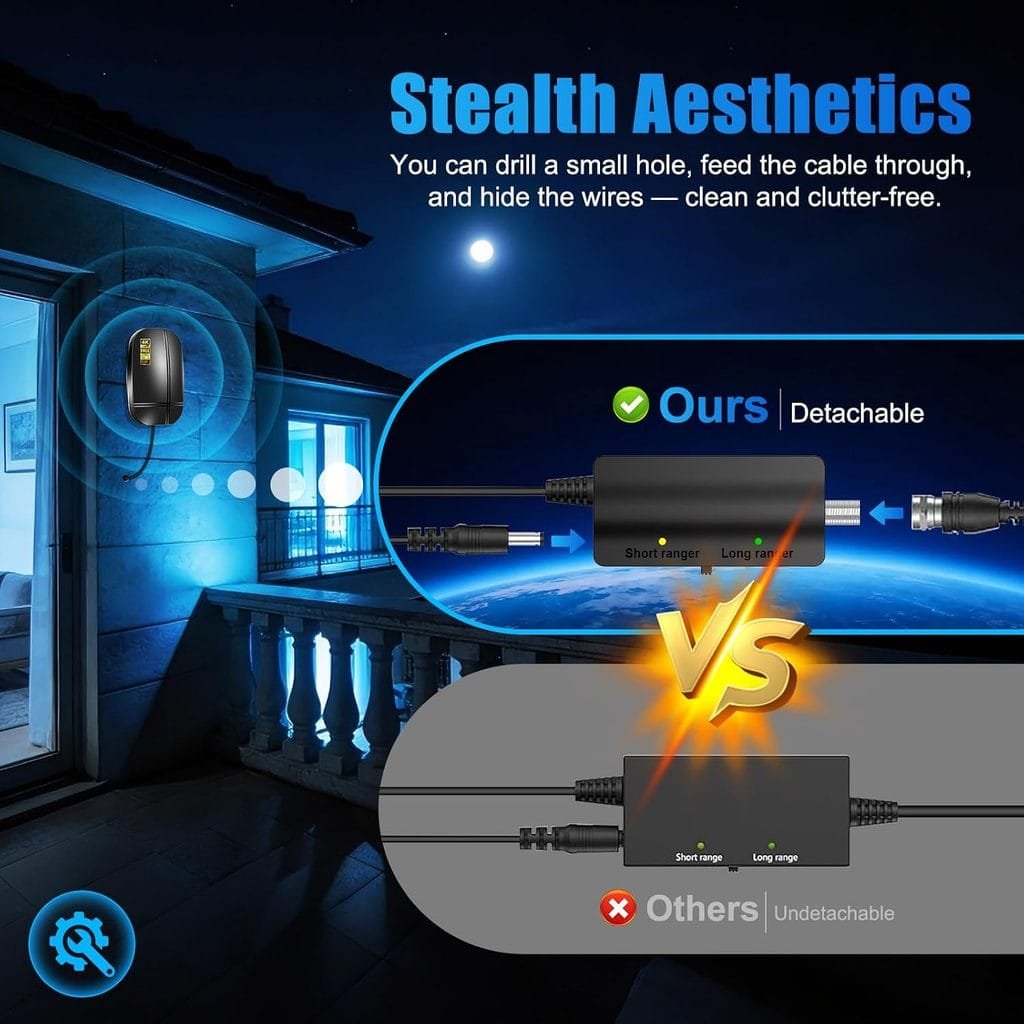
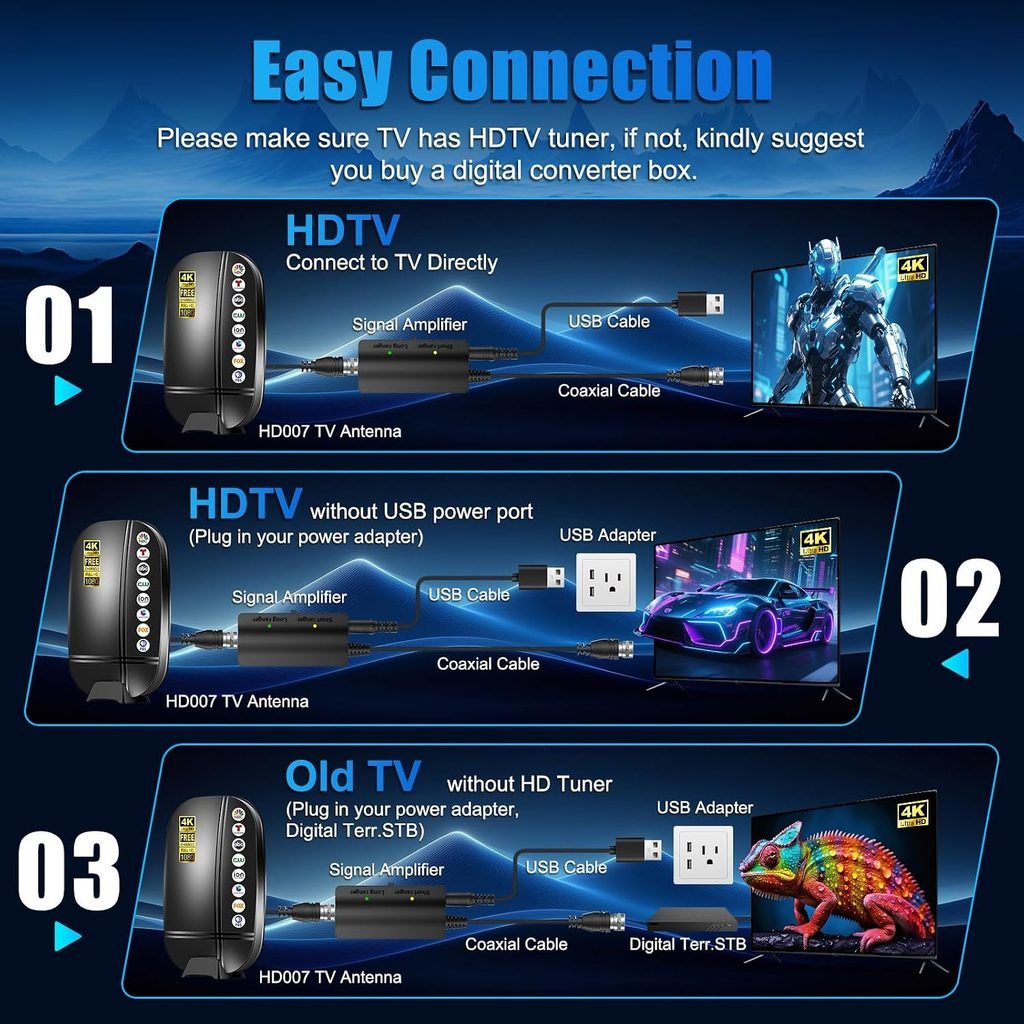
In addition to placement, the connection quality plays a vital role in performance. Use high-quality coaxial cables to connect the antenna to the television. Poor connections or damaged cables can lead to signal degradation. Furthermore, the use of a signal amplifier may benefit antenna setups located far from broadcast towers, as it can enhance weak signals.
Troubleshooting common issues is also part of using upgraded TV antennas effectively. If you experience poor reception, check the antenna’s position and connections. Additionally, consider scanning for channels through your television periodically, as channel availability can change. In case of adverse weather conditions, frequently inspect the antenna for any physical damage or debris that could hinder performance.
Regular maintenance is necessary to ensure long-term durability and consistent performance. Clean the antenna and its components regularly to remove dust and debris. If possible, conduct an inspection at least twice a year to check for wear and tear. Proper care will help maintain optimal signal quality and prolong the life of your upgraded TV antenna.